
Explore the intricacies of Hard and Soft Bearing Balancing Machines
Hard Bearing Balancing Machines: The Lowdown
1. What Makes Them Special
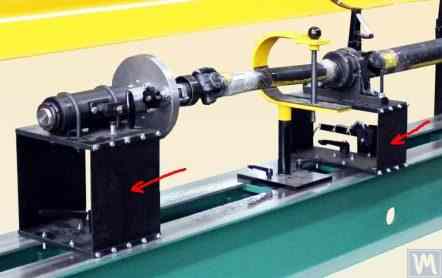
Think of hard bearing balancing machines as the super sturdy type. Unlike their more “flexible” counterparts, these machines have rock-solid supports. These supports are so stiff that they won’t start vibrating and wobbling (at least not within the speed range you’re using for balancing).
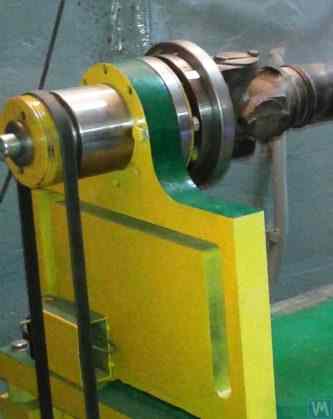
Picture the supports as big, heavy plates with some cleverly placed cuts. These cuts add a tiny bit of controlled “give” in specific spots, allowing the machine to sense the forces created by an out-of-balance rotor.
2. How It All Works
Here’s the basic process for balancing a rotor on a hard bearing machine:
- Mount Up: The rotor you want to balance gets carefully placed on the machine.
- Rev It Up: The machine spins the rotor up to the needed speed.
- Feelin’ the Force: If that rotor isn’t perfectly balanced, it’ll create forces that try to shake the machine – these forces get passed into those sturdy supports.
- Tiny Movements Matter: Even though the supports are super rigid, those forces cause super tiny deformations (like, microscopic level).
The machine has special sensors to track these small changes:
- Force Sensors: These feel how hard the rotor is pushing on the supports.
- Fancy Displacement Sensors: These are like high-tech rulers for measuring incredibly small movements within the support itself.
The machine’s brain analyzes the sensor readings to figure out exactly where the imbalance is and how to fix it.
3. Why You Might Love a Hard Bearing Machine
All Shapes and Sizes: These machines can handle a wide range of rotors, from the tiny to the hefty.
Slow and Steady: They do an awesome job balancing even at low speeds, which is sometimes ideal.
Top-Notch Accuracy: When you need your parts balanced as perfectly as possible, these machines deliver.
4. The Downside
Get Ready to Spend: All that rigid construction and fancy sensor tech means hard bearing machines come with a higher price tag.
Complexity: They’re a bit more complicated than other types of balancing machines.
5. When They Shine
Hard bearing is the way to go when:
- You’ve got a mixed bag of rotors to balance (different sizes, weights, etc.).
- Super-precise balancing is a must-have.
- Balancing at low speeds would be a major advantage.
Soft Bearing Balancing Machines: A Different Approach
Design and Principle of Operation
Soft bearing machines are kind of the opposite of hard bearing machines. Their supports are designed to be more flexible, sort of like they’re on springs (but way less bouncy!). This means when you spin up an imbalanced rotor, those supports actually start to vibrate.
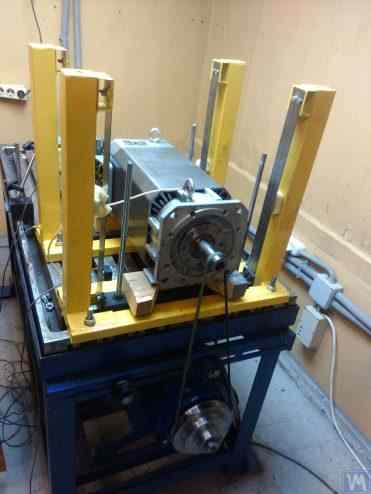
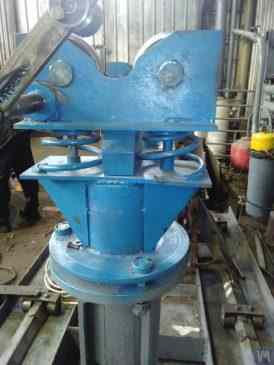
Instead of measuring forces, soft bearing machines rely on vibration sensors mounted on the supports. They analyze how that vibration changes with the rotor’s speed, and that’s how they figure out the imbalance.
Pros and Cons of Soft Bearing
Simpler and Cheaper: Their design makes them less expensive overall.
Good for the Little Guys: They’re great at catching imbalances in smaller, lighter rotors.
Not for Everyone: They can’t handle really heavy rotors and have trouble when you need to balance a rotor right at its critical speed.
Want to Dig Deeper?
If you’re curious to explore balancing machines even further, check out resources like Balanset devices. You’ll find tons of practical examples and info on how it all works. For more DIY insights, visit DIY balancing machines.
